
Choosing the right music entertainment for an event is not just about the playlist — it’s about the atmosphere, the energy and the guest experience.
Between a DJ and a live band, the result is very different. Here is a clear comparison to help you make the right choice for your event in France.
A DJ brings strong musical flexibility and can keep the dancefloor moving with seamless transitions. A live band turns the evening into a show: musicians on stage, real performance, and a more immersive “concert-like” feel. Let’s break down the strengths and limitations of each option — then the best scenarios for each.
A DJ is ideal for a “club-style” party and maximum genre variety. A live band is recommended if you want a premium, visual and emotional experience that feels like a real concert.
1. DJ: strengths and limitations
A DJ is often chosen for their ability to adapt quickly to the crowd and keep the dancefloor active. This is usually the right option for events where the main objective is a high-energy party and continuous music.
- Wide musical variety: DJs can cover many genres and switch styles quickly based on the audience.
- Easy logistics: a DJ setup typically requires less space and lighter equipment than a full band.
- Non-stop momentum: seamless mixing reduces downtime and keeps the energy consistent.
Limitations of a DJ
- Less of a “show”: visually, it is usually less impactful than a live performance on stage.
- A different emotional feel: even with great mixing, recorded tracks often don’t create the same intensity as live music.

2. Live band: strengths and limitations
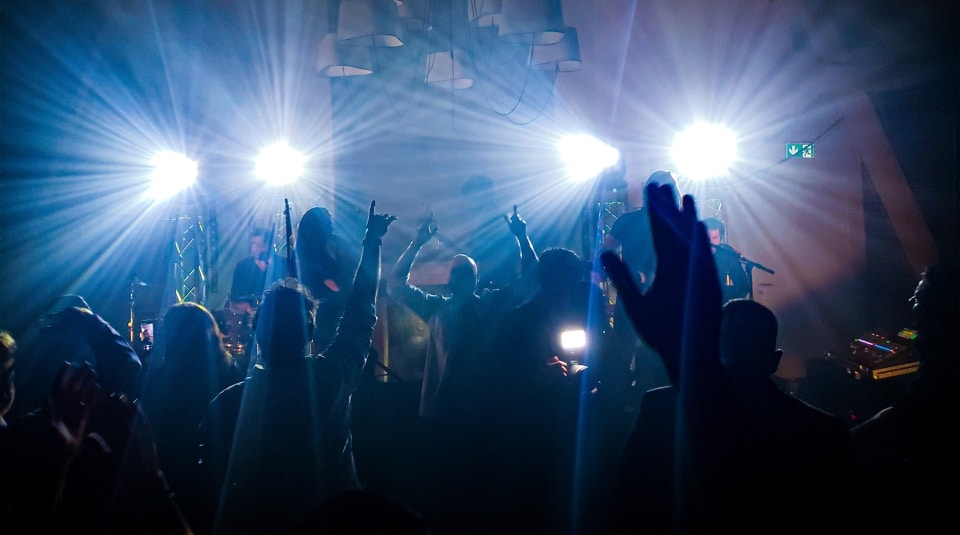
A live band does more than “play music” — it creates a moment. The stage, the musicians, the performance… everything adds up to a more immersive atmosphere, often perceived as more premium.
- Unmatched energy: live music naturally lifts the room and drives the dancefloor.
- A real show: musicians on stage bring a visual and artistic dimension that makes the event feel like a concert.
- Audience connection: singers and musicians can interact with guests and create spontaneous highlights.
Limitations of a live band
- Logistics: a band usually needs more space and a more complete technical setup (stage, sound, lighting).
- Repertoire: a live band has a curated setlist — less “infinite” than a DJ library, but often more powerful on stage.
3. Which one fits your event?
To decide, ask a simple question: do you want a high-efficiency dancefloor or a memorable show? Both can work — but not for the same objectives.
- Club-style party / late-night dancefloor: a DJ is often the most direct choice.
- Premium gala, cocktail reception, wedding: a live band usually creates a stronger “wow effect”.
- Corporate events: a live band works extremely well to build connection and create a shared highlight.
4. The most effective option: live band + DJ
For many events, the best solution is a combination: live band for the show, then a DJ to extend the party. You get the best of both worlds: a powerful live moment, followed by a non-stop dancefloor until the end.
Conclusion
DJ vs live band: both can make your event a success — it simply depends on the atmosphere you want to create. If you’re looking for an immersive, premium, concert-like experience, a live band is often the most memorable option.
To learn more, explore our services in France: live band for corporate events or DJ for corporate parties.